This note preserves the original context of the Facebook post. Some tools, interfaces, and external links may have changed.
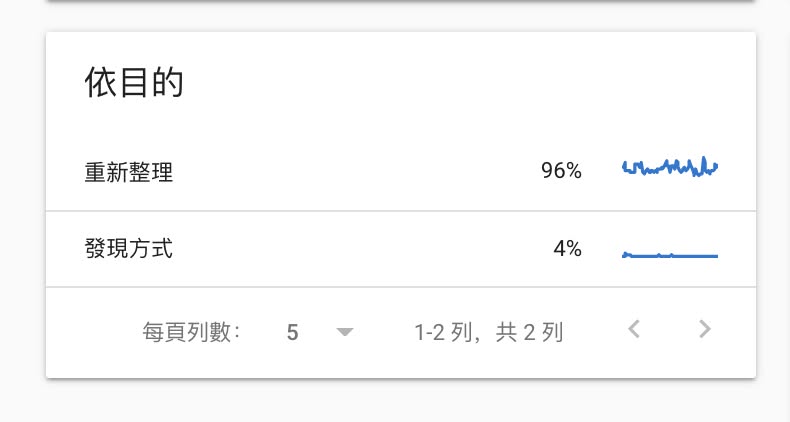
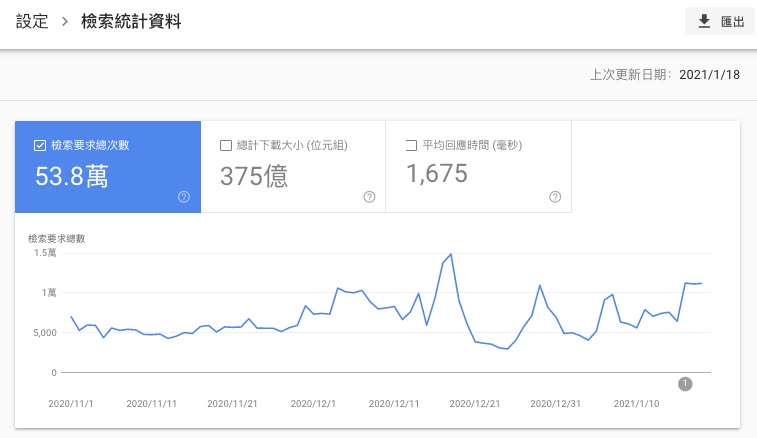
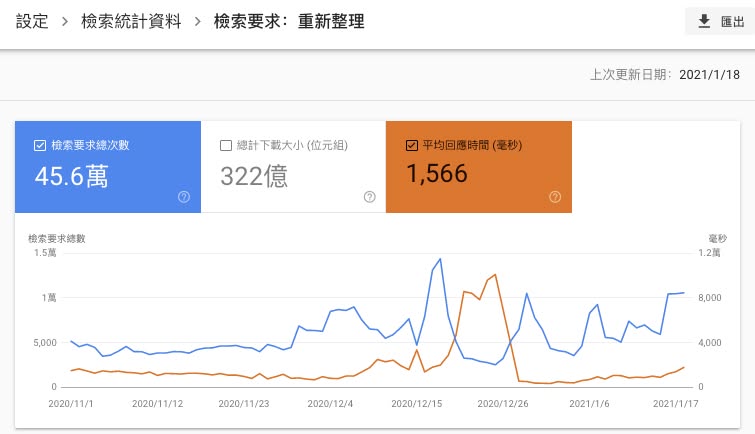
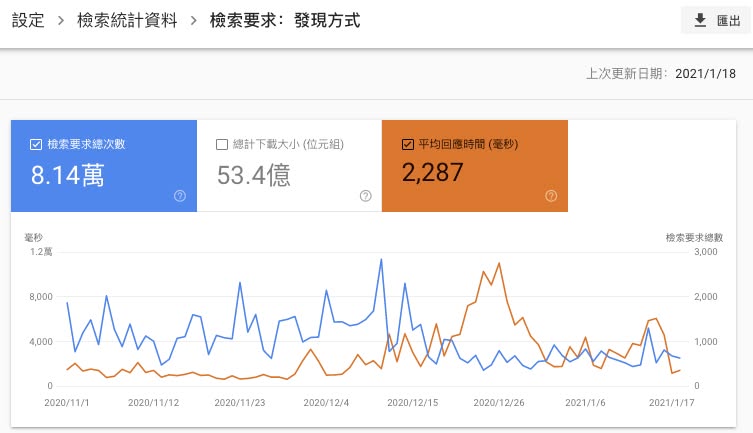
This post explains Search Console’s crawl statistics, paying special attention to whether crawlers are re-scrubbing old pages or discovering new pages.
If you have a site that frequently adds new content and most searches are focused on older pages, you may want to check whether internal links and sitemaps are making it difficult for new content to be discovered.
Conversely, if a site doesn’t add a lot of new content but experiences a very high discovery rate, it’s also worth checking whether the filter is generating a lot of duplicate URLs, or if the site is being populated with unusual pages.
This perspective can turn “Did Google crawl the website” into a more specific diagnostic question.
The original interface and report names belong to the background of 2021. When using it today, you should compare it with the official documents based on the current Search Console fields.
Links mentioned in the original post
Related reading
How Search Engines Work: Crawling
Crawling is the first step in search. A crawler starts with a URL, visits it, discovers more URLs, and repeats the cycle. The concept sounds simple, but it contains many important SEO details.
SEO e-Newsletter Issue 7 – 2020.04.16~2020.04.30
The biggest news recently is that Google Shopping will allow merchants to list products for free. This update has not yet been expanded to Taiwan, but merchants should prepare as early as possible to win at the starting point. Here in the United States, merchants have less than two weeks to respond. The content of this issue also includes some research, articles, skill sharing, and SERP appearance changes. I hope it will be helpful to everyone. If you have any ideas, please leave a message!
SEO e-Newsletter Issue 13 – 2020.07.16~2020.07.31
$50 a month Google local merchant premium membership, more web stories in search results, and the overhauled Bing webmaster tools...etc., welcome to read more SEO news!
Page is still not indexed after submission: check the entire site first
Starting from the case of "searched but not yet indexed", we would like to remind you that indexing problems do not necessarily only occur in a single URL, but may also be related to the quality and structure of the entire website.
Can search engines really see the content generated by JavaScript?
Saves a practical note on using the Search Console URL inspection tool to confirm whether JavaScript content is rendered, and links back to the basic article on search engine crawling and indexing.
Blank category page: noindex, soft 404 and page change signal
Starting from the discussion of blank category pages in e-commerce, we sort out the differences between noindex and soft 404, and how changes in content, internal links, and products can serve as signals for re-examination.