This note preserves the original context of the Facebook post. Some tools, interfaces, and external links may have changed.
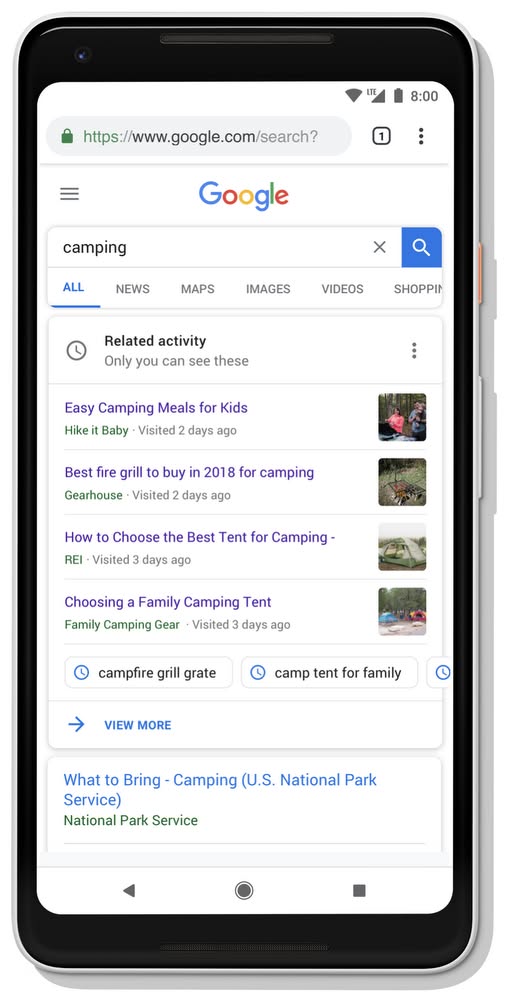


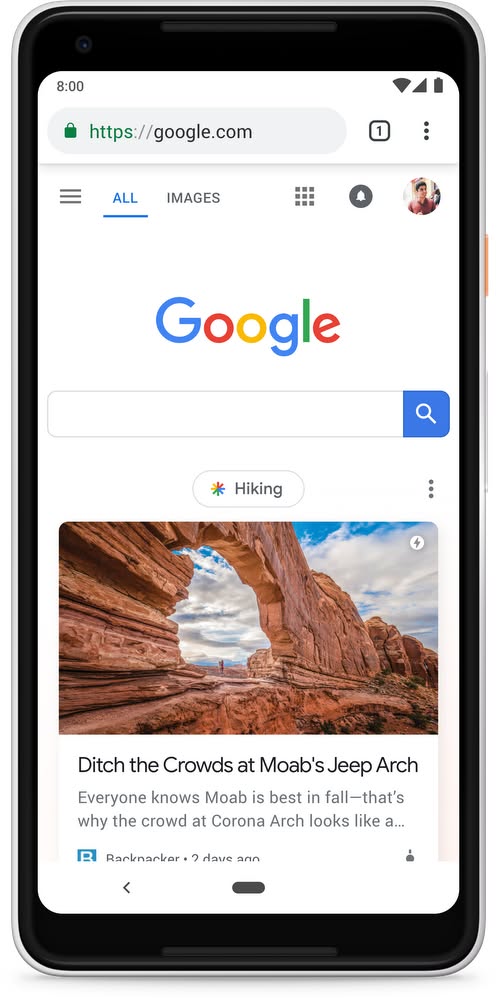
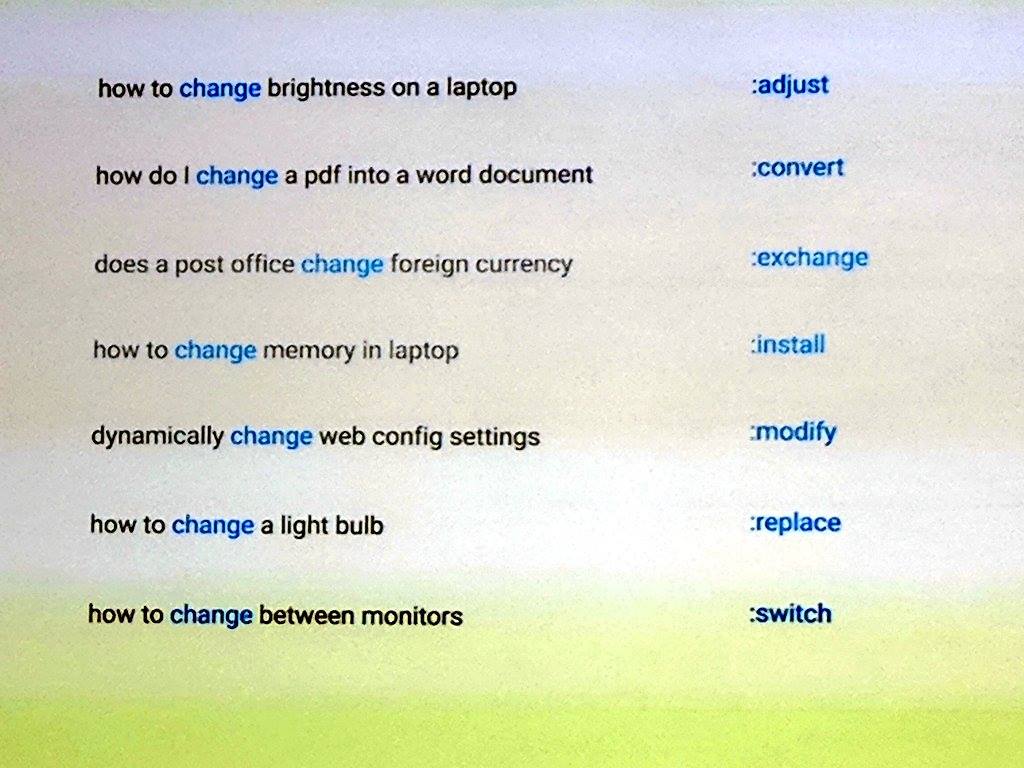

This post collates what Google has to say about the future of search as it celebrates its 20th anniversary.
The first direction is from one-time answers to search journeys, allowing users to continuously see related sub-topics and next steps as they explore the journey, learn the topic, or solve the problem.
The second direction is from waiting for queries to actively providing information, which is the Discover type experience that is more commonly discussed later.
The third direction is from pure text to more visual information discovery, including pictures, videos, Lens and AMP Stories at that time.
The names and interfaces of these products may have changed long ago, but “users don’t just ask a question, but gradually understand the topic in an information journey” is still a useful concept when planning content and internal links.
Links mentioned in the original post
Related reading
An Introduction to Passage Retrieval
Google's passage retrieval system was expected to affect about 7% of search results as it expanded to searches in every language worldwide. What changed, and how should SEOs respond? Read on for a closer look.
How Search Engines Work: Crawling
Crawling is the first step in search. A crawler starts with a URL, visits it, discovers more URLs, and repeats the cycle. The concept sounds simple, but it contains many important SEO details.
Web Story⚡ - SEO’s next battleground
Web Stories (formerly AMP Stories) have an interface similar to real-life dynamics, which can improve the stickiness of the content and can be searched by search engines. In recent years, Web Stories have appeared in more search blocks, making Web Stories even more important to website traffic.
From search engine to RAG: Re-understanding information retrieval
From the early frustrations of researching search engines, to using RAG to reconnect with file splitting, query rewriting and reordering, this is a personal record that connects AI learning back to information retrieval.
Page is still not indexed after submission: check the entire site first
Starting from the case of "searched but not yet indexed", we would like to remind you that indexing problems do not necessarily only occur in a single URL, but may also be related to the quality and structure of the entire website.