This note preserves the original context of the Facebook post. Some tools, interfaces, and external links may have changed.
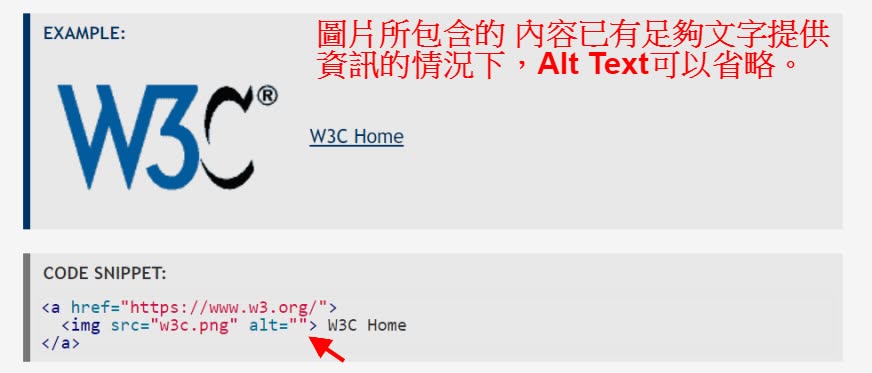

The alt attribute of the image is first of all to provide alternative information when the image cannot be displayed, and also to allow users using Screen Reader to understand the image content.
It may indeed help search engines understand the image, but that doesn’t mean every alt text should be stuffed with one or two target keywords.
If the image is decorative, or the nearby text already fully describes the image information, the alt value can be an empty string alt="" to allow assistive technologies to skip the duplicate content.
If the image carries important information, the alt text should describe content that is truly useful for understanding the page.
The core reminder to save this article is: write alt text for users first, and then think about how it helps search engines, rather than distorting the image description for SEO.
Links mentioned in the original post
Related reading
SEO | How to make images appear in Google image search
Have you ever asked "Why did I put an image on the website, but it didn't appear in the image results when others searched for it?" Most people probably don't have this problem... because most images, as long as they have undergone proper image optimization (image file name, size, Alt Tag, article content...etc.), even if they are not ranked very high, should still appear in the search results when someone searches for related keywords. This article is about me doing Reputation…
SEO e-Newsletter Issue 13 – 2020.07.16~2020.07.31
$50 a month Google local merchant premium membership, more web stories in search results, and the overhauled Bing webmaster tools...etc., welcome to read more SEO news!
15 Common Technical SEO Questions: Turn Checklists into Priorities
compiles a list of technical SEO issues for 2023 and puts things like redirects, image alt text, speed, titles, internal links, and indexing back into the order of actual optimization.
From answers to journeys: Google’s three imaginations of search experience
Preserve three observations on the future of search as Google celebrates its 20th anniversary: from single answers to search journeys, from queries to active exploration, and from words to more visual information discovery.